3 The Research Data Life Cycle in Practice - Starr Carr
So let’s have a look at how the Research Data Life Cycle works in practice with an example from a relatively recent research project. The Star Carr Mesolithic Site is located in Yorkshire and dates to around 9000 BC. The site has seen sustained investigation and research by archaeologists from the University of York, most notably Professor Nicky Milner. The site consists of settlement activity situated around a prehistoric lake, which has led to the excellent preservation of artefacts within peat deposits.
3.1 Data Collection
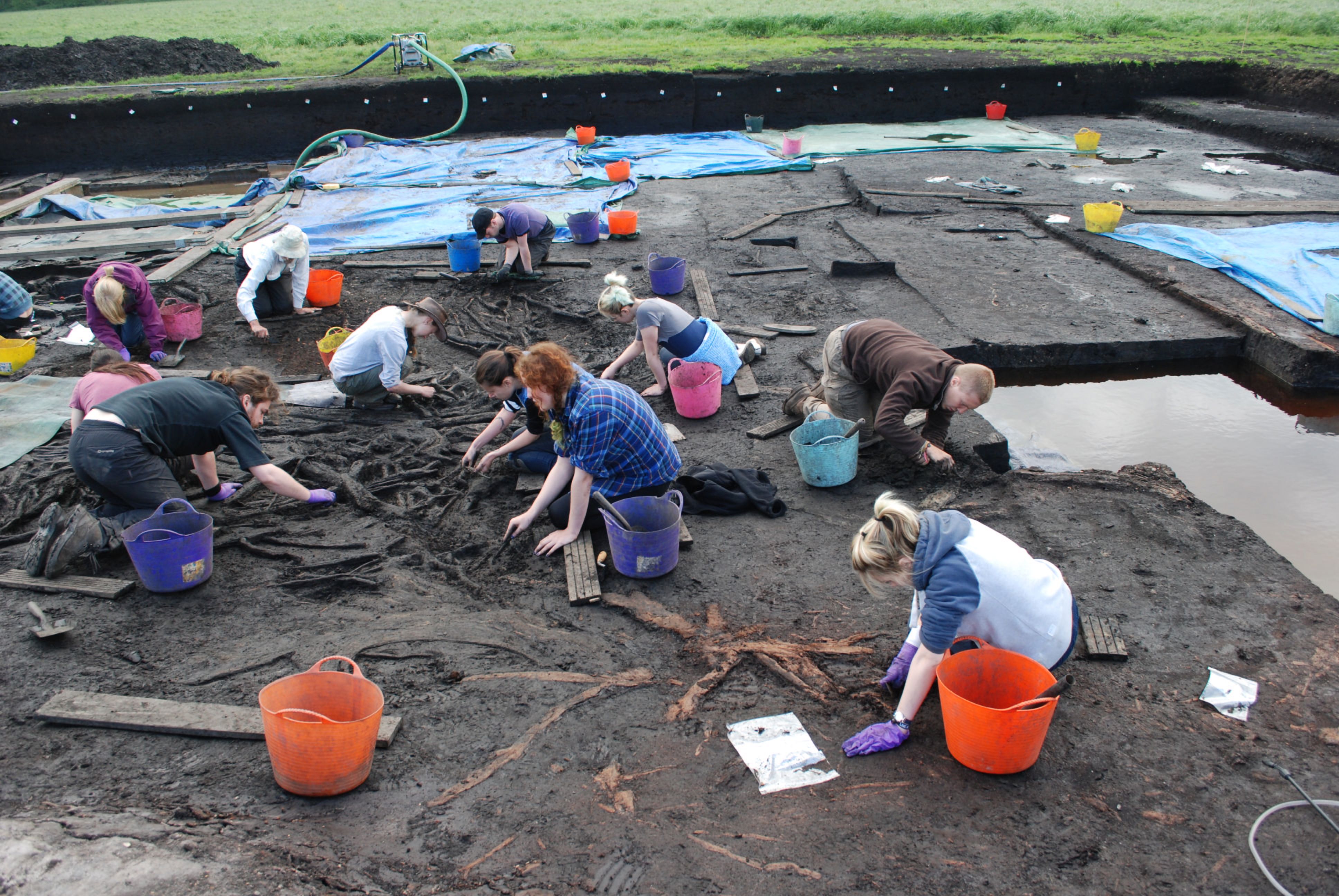
Archaeological excavation was the primary mode of data collection at Star Carr, undertaken over a number of seasons starting initially in the 1980s by the Vale of Pickering Research Trust and later the Department of Archaeology at the University of York.
3.2 Data Processing / Data Study and Analysis
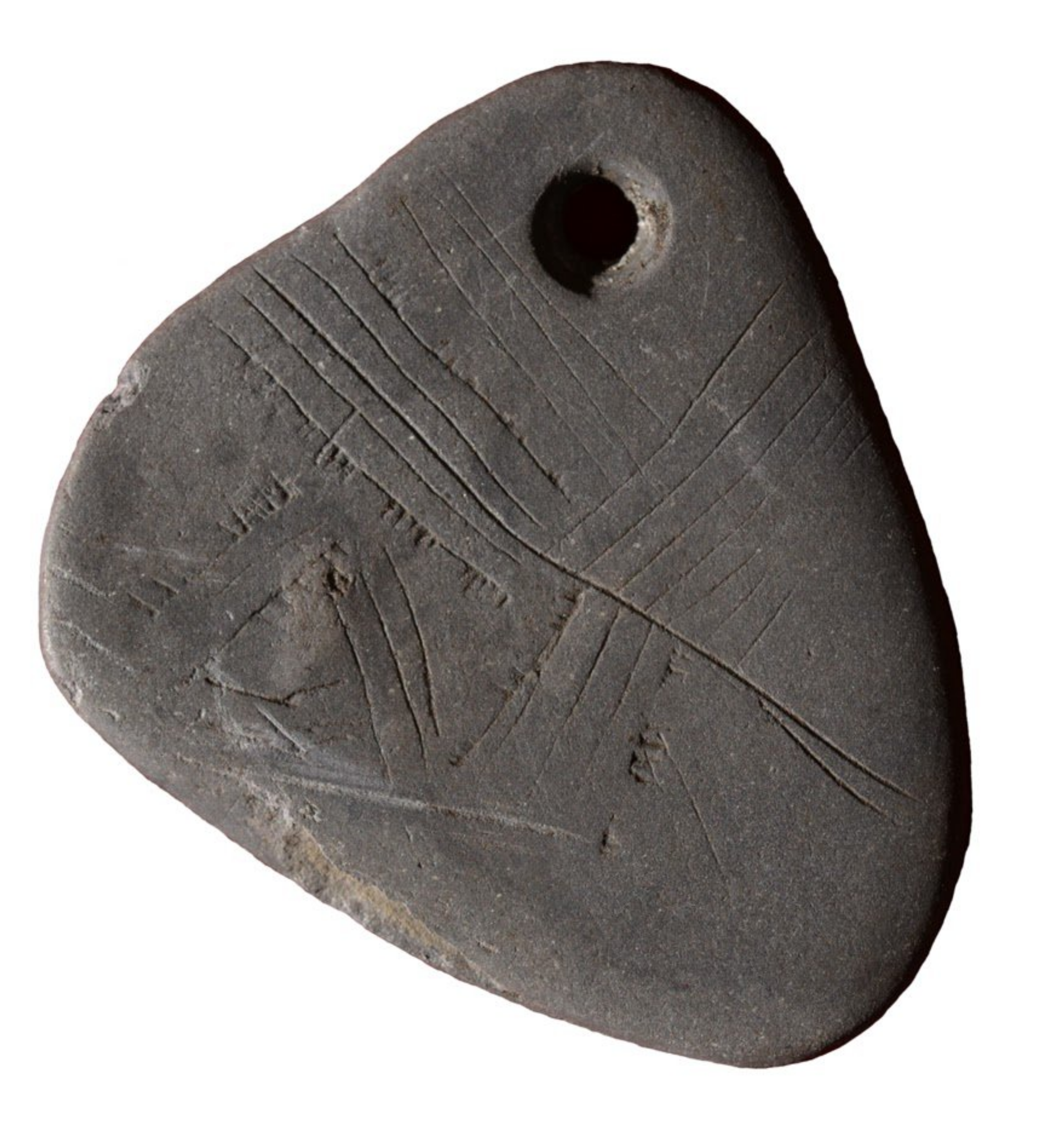
Certain artefacts recovered from the site saw detailed analysis including a range of digital imaging techniques undertaken on engraved shale pendant, which represents the earliest known Mesolithic art in Britain. The analysis was subsequently published in Internet Archaeology.
Milner, N., Bamforth, M., Beale, G., Carty, J.C., Chatzipanagis, K., Croft, S., Conneller, C., Elliott, B., Fitton, L.C., Knight, B., Kröger, R., Little, A., Needham, A., Robson, H.K., Rowley, C.C.A. and Taylor, B. 2016. A Unique Engraved Shale Pendant from the Site of Star Carr: the oldest Mesolithic art in Britain, Internet Archaeology 40. DOI: https://doi.org/10.11141/ia.40.8
3.3 Data Publishing and Access
The publication of the results of the excavations and analysis mentioned above led to a number of open access journals and volumes, including those listed below:
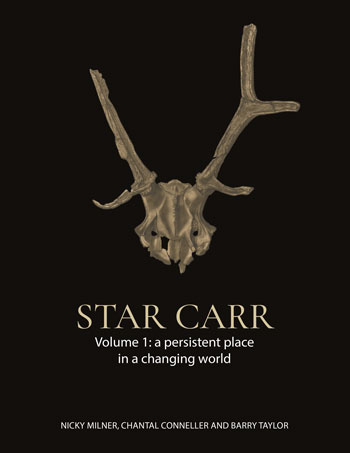
Milner, N., Conneller, C. and Taylor, B. 2018a. Star Carr Volume 1: A Persistent Place in a Changing World. York: White Rose University Press DOI: https://doi.org/10.22599/book1
Milner, N., Conneller, C. and Taylor, B. 2018b. Star Carr Volume 2: Studies in Technology, Subsistence and Environment. White Rose University Press DOI: https://doi.org/10.22599/book2
3.4 Data Preservation
Alongside the publications, the excavation records, specialist reports, and unpublished reports were archived with the Archaeology Data Service
University of York. 2018. Star Carr and Lake Flixton archives data-set. York: Archaeology Data Service. distributor. DOI: https://doi.org/10.5284/1041580
3.5 Data Reuse
Some of the earlier excavation data was digitised as part of the Star Carr Archives project. This data was reused to support the later phase of excavations and contribute to the wider understanding of the site (this data was also archived on the ADS)!
Nicky Milner, Hayley Saul, Ben Elliott (2013) Star Carr Archives Project [data-set]. York: Archaeology Data Service [distributor] DOI: https://doi.org/10.5284/1019856
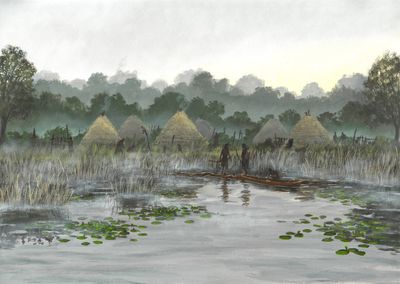
3.6 Research Ideas / Research Data Planning and Design
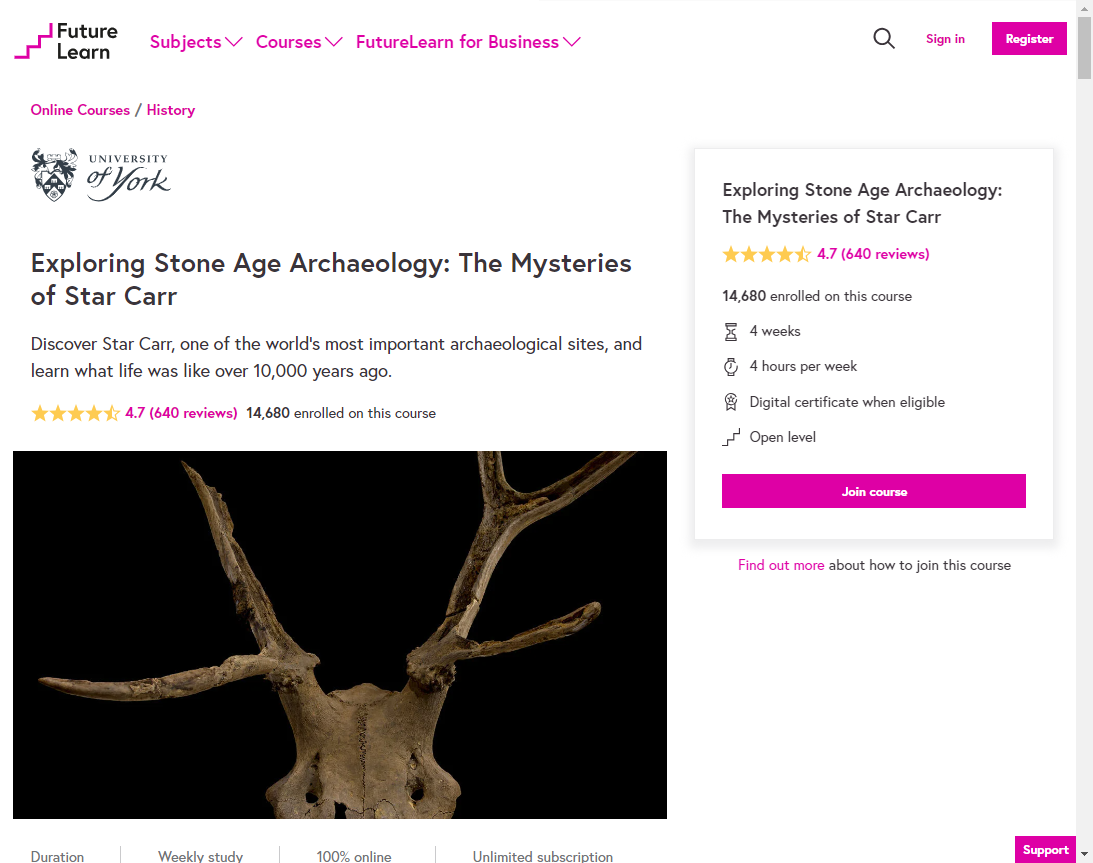
The outputs of these projects fed into a number of new projects that focused on public outreach. This includes teaching resources for schools, a Massive Online Open Course (MOOC) called Exploring Stone Age Archaeology: The Mysteries of Star Carr and, more recently, an exhibit at the Yorkshire Museum.